I'm The It Girl

where it's at

Ethical Fashion: What, Why and Why Now?

14 December 2022 by amber Leave a Comment

ethical fashion
Photo by Tamara Bellis on Unsplash

We all like clothes that make us look good, but there’s a growing school of thought that our fashion choices should make us feel good too.  I mean feel good deep inside by being happy that the brands, materials and retailers we have chosen pursue strong ethical policies and achieve high standards.  Ethical fashion is here to stay, as more of us move away from single use fashion, and often the designs are on the cutting edge of fashion: you don’t need to be dowdy to be green. It can be a bit of a minefield though, so it’s worth doing a bit of reading up before you make your choices.

Overview

What is ethical fashion, why is it important, and why are we just hearing about it now? Well, to answer these questions we start with what is wrong with clothing production today. Most clothing available in stores today is produced in an unethical manner using sweatshop and/or child labour to ensure a larger profit margin. Manufacturers use unsustainable fabrics like non-organic cotton (dubbed as natural, it accounts for almost 25% of all pesticide use) and polyester (which is a petroleum by-product). They use conventional dying practices which release chlorine, chromium, and other pollutants into the environment posing a health risk to the farmers, assemblers and wearers (7 of the top 15 pesticides used on conventional US cotton crops are “possible” to “known” human carcinogens). The shift to ethical production practices in the clothing industry has been undeniably important for a long time making the market ripe for a positive change. Consumers are starting to demand better.

What is Ethical Fashion?

Ethical fashion is that which is produced using: fairly-paid and fairly-treated adult workers; sustainable fabrics and materials like organic cotton, hemp, bamboo, and reclaimed or recycled materials; low-impact fiber-reactive dyes or vegetable dyes; respect for a healthy environment and/or product for the farmer, the assembler, and the wearer of the clothing.

Why Ethical Fashion?

We are all responsible for how our own lifestyles affect the environment. Simple measures can be taken to achieve big changes by simply switching our buying patterns to include products made of low impact materials. Positive pressure on businesses who have yet to voluntarily clean up their acts is very easily applied by simply choosing not to spend money on their products, and helping – little by little – to grow the businesses who have made an explicit commitment to responsible business practice.

Why Now?

The wonderful thing about the booming ethical fashion industry is the huge variety of designs, colours, cuts, fabrics and sizes now available. Long stigmatized as cousin to the burlap sack, the ethical offerings today are design-oriented. Designers with heart are creating beautiful, sexy, edgy, classic, current, imaginative, and, yes, flattering pieces – ethics will simply not be compromised and thankfully neither will the look and feel of their work. Reducing our footprint can be done without making any sacrifices.

One of the main driving forces of the ethical fashion boom is public awareness. Thanks to exposés on large manufacturers, the fact that sweatshop labour is used for the overwhelming majority of production can no longer be ignored. The power of boycotting has been demonstrated, as has the power of voting with our dollars to support good practice. Thanks to accessible work like “An Inconvenient Truth”, the lay person is no longer free to assuage their environmental guilt with the denial of the existence of climate change. Thanks to alternative medical practitioners, who deal with cause instead of just symptom, we’re learning that we can build health by surrounding ourselves with and consuming healthy things.

Consumers are growing weary of the quantity without quality mentality. Most designers with an ethical bent to their art, work in small batches, producing high quality goods with exceptional fabrics. Consumers are, in growing numbers, appreciating the right to vote with their dollars; and are exercising it to support expansion of the sustainable textile industry, small farmers and farm co-operatives. We’re all looking for ways to reduce our environmental impact, increase our social contribution, ease our consciences, hold on to some creature comforts, and continue celebrating art in all its forms.

Filed Under: Fashion

Exactly What to Wear to a Wedding as a Guest

14 December 2022 by amber Leave a Comment

wedding guest fashion
https://imtheitgirl.com/colour-theory-for-fashionistias-three-easy-steps-to-perfect-colour-every-time/

A wedding is the perfect chance to dress up and we all want to look our best, even if we aren’t closely involved with the bridal party.  There are some key rules to follow to avoid embarrassment and I have a few hints and tips to share with you to make the most of your wardrobe and look your best at the wedding of the year.

Follow the Dress Code

This is key as it’s a request to you from the bride and groom, but they will usually have considered the venue and the plans for the day and chosen accordingly.   The majority of couples will set a wedding dress code depending on the style of the event, as well as the time of year it’s taking place. What you wear to a black-tie wedding in the winter, for example, will be vastly different than what you wear to a casual wedding in the middle of summer.

If the dress code is black-tie, then there is choice will be very limited for men: a black tuxedo or a kilt if that’s appropriate for you.  Similarly, women are encouraged to dress up in a floor-length evening gown or an elegant dress.  Elegance should be the key decider and it’s better not to flash too much flesh: leave it at a hint of cleavage or a glimpse or leg, but don’t go overboard with either. Weddings are family events and usually day to evening celebrations, so steer clear of anything too daring or risqué.

Regardless of the dress code wearing jeans is a complete and utter no-no at weddings. Remember that this is the bride and groom’s special day and if it were your wedding, you’d expect guests to make an effort.

Colour Choices

The cardinal sin of weddings, wearing white is by far the biggest mistake that can be made by a wedding guest. No guest should steal the attention away from the bride; it is her special day after all. In a white dress, the possibility of being confused for the bride is all too great, so no matter how good white looks on you or how much you love that outfit, give it a miss.

You’re going to a wedding not a funeral, so try to avoid black. This rule is especially relevant for summer weddings when guests should embrace the celebratory vibe of the day and opt for bold colours and prints.  A black dress works better for a black tie dress code, but I’d still avoid it and opt for another colour if possible.  If you have the perfect black dress that you are desperate, consider brightening up with coloured accessories, like a carefully chosen handbag.

Summer is the perfect opportunity to wear bright colours or pretty pastels. However, be sure to check in advance what colour the bridesmaids are wearing: you don’t want to be mistaken for part of the bridal party and you probably don’t want to clash with them either.  Many Asian weddings will expect you to wear bright colours: it’s all part of the celebrations.

Dress for the Season

The season and location of the wedding are great indicators of what to wear.  For example, if it’s a beach wedding, that’s an indication that you shouldn’t show up in a formal dress. Summer weddings usually lean towards shorter styles with lighter colours, for example, while a fall wedding caters to darker jewel-toned colors and richer fabrics like velvet and silk.  For a winter wedding feel free to rock some faux fur: it’s glamorous, on-trend and great for keeping you warm during those outdoor photo shoots.

Consider the Venue

Most places of worship have specific rules around what is, and isn’t acceptable to wear. In church, shoulders should often be covered as bare arms are still frowned upon.  In more traditional Catholic churches women are expected to bring a shawl to cover their shoulders and arms. Cover your head and your hair in a synagogue as well, and the same for a Muslim, Hindu or Sikh wedding.

Consider the reception venue too.  A grand hotel probably expects a higher standard of dress than a wedding celebration at a local pub.

The venue can also indicate what kind of shoes you should wear too. If you’re outside, opt for a chunky heel or even flats. If you wear a kitten heel or a stiletto, you might risk sinking into the ground. If indoors, you can never go wrong with a pump heel.


Filed Under: Fashion

Plus Size Fashion: Is There Really Such a Thing?

12 December 2022 by amber Leave a Comment

plus sized fashion
Photo by Madrona Rose on Unsplash

Plus size fashion is the term for clothing that is proportioned to fit people with larger body sizes. The term “plus size” refers to any clothing size (not just dress sizes) that are larger than average, which typically includes women’s sizes 16 and up, and men’s sizes 44 and up in the US.  In the UK plus size fashion starts a bit smaller at a size 18 (dress sizes differ between the UK and the US).

The plus-sized market has been growing in the past decade. This is due to the rise of social media influencers who promote a more diverse representation of bodies in fashion, as well as an increase in demand for clothes that are comfortable and flattering for people with a fuller frame.

Are you considered to be a plus sized individual?  If you are, what do you wear for clothing?  If you are like many other plus sized individuals, you may respond with something off of a store rack.  While it is more than possible to shop at a department store or a traditional clothing store, do you know that there are stores designed just for plus sized women, as well as men?  There are and if you haven’t already, you may want to think about visiting one.

When it comes to shopping at or at least browsing at a plus sized clothing store, there are many men and women who wonder why they should bother, especially if their clothes are already bought from somewhere else. What you need to remember is that plus size clothing isn’t what it used to be in the past.  Due to an increase in the need for plus sized clothing and fashion accessories, there are now many fashion designers who are starting to focus on individuals out there who are just like you.

As previously mentioned, plus sized fashions aren’t necessarily what they used to be.  In fact, some would be hard pressed to refer to the old style of plus sized clothing as fashion.  The same cannot be said for today’s plus sized fashion clothing and accessories.  It is now possible to look and feel like a beautiful model, despite being a plus sized women or even a man.  There are a large number of plus size clothing pieces that are designed to make you look great for a day hanging out with your friends, a day at the gym, a day at work, or a night out on the town.  No matter what occasion you would like to dress for, you should be able to find beautiful pieces of plus sized fashions to get you there.

If you are interested in finding a plus size clothing store to shop at, you may want to consider visiting one of your local shopping malls or shopping plazas.  It is not uncommon to find a plus size clothing store located inside these shopping centres.  If you are looking for plus sized women’s clothing, you are more likely to find specialty stores than men are, as they tend to be more popular.  You may also be able to find other local plus size clothing stores to shop at by using your local phone book, online business directories, or recommendations from those that you know.

In addition to shopping at local plus size clothing stores, you may also want to examine the online retailers who run plus sized clothing stores online. What is nice about shopping online is that you are often given a larger selection of retailers and products to choose from. This means more clothing choices and clothing accessories for you.  It is also important to mention that shopping online allows you to do so anytime, day or night, from the comfort of your own home. You can easily find a number of online plus size clothing retailers by performing a standard internet search or by asking those that you know for recommendations.

As a reminder, it is more than possible to find plus sized fashion clothing pieces and accessories available for sale.  If you haven’t updated your wardrobe in some time, you way want to think about doing so.  You may actually be surprised with the plus sized fashions that you can find available for sale.

Filed Under: Fashion

Getting Your Colours Done

9 December 2022 by amber Leave a Comment

getting your colours done
https://imtheitgirl.com/colour-theory-for-fashionistias-three-easy-steps-to-perfect-colour-every-time/

Some years ago I had my colours done as a birthday gift.  It was a lovely experience.  I spent an hour or two with someone knowledgeable just focusing on me and my style.  After the session I cleared out quite a few items from my wardrobe and set out to look for items with certain colours that suited me, but were underrepresented in my closet.  I’ve never looked back.

Dressing to suit your colours is a great way to make sure you look your best. It can also help you feel more confident and happy in your personal style.  It’s important to know that there are no right or wrong colours for everyone. Everyone has their own personal colour palette, which is unique to them. In order to find out what colours suit you best, it’s important that you take the time to figure out what colours look good on you and which ones don’t.

Obviously, you can go for a professional session like I did and I would recommend this.  I had a good understanding of my colours after I had the session and I got a handy colour swatch wallet which makes shopping for clothes so much easier.  That said, it’s not impossible to do a reasonable job at home on your own and you could even make your own colour swatch wallet using paint cards from the DIY store or similar.  My colour consultant used some of the coloured scarves on herself demonstrating how some colours lit up her face, while others drained it of both colour and energy. She then analysed me on that basis.  You could do this at home with cloths and clothes of different colours – it might be worth getting an honest friend to give an opinion too.

It turns out it’s not just about which colours each of us can or can’t wear. It’s about which tones of each colour work best for us. And what determines that is our hair colour, our skin tone and the colour of our eyes.  As we age and our skin tone and hair colour change, we should revisit and adapt (if necessary) our colour choices too and not stay wedded to what worked in our youth.

The four quarters of a colour wheel can be named  the seasons of the year. The warm colours are Autumn and Spring, the cool colours Winter and Summer. This applies to neutrals just as much as it does to brighter colours.   I fall within the warm category. I have dark brown hair with some red tones and greenlish eyes. This meant I was either Autumn or Spring when it came to the colour wheel.   In fact, as the consultation continued I wasn’t surprised to find out that I was an autumn.  The autumn palette included a lot of colours that I know suit me, plus some others I hadn’t thought of.  Black and white aren’t good colours for me, so I do try to avoid these especially next to my skin.  Generally I feel it’s easier to get away with black trousers or a skirt, rather than a dress or a top.

Don’t forget using the right colours for you extends to choosing the right makeup shades and fashion accessories like jewellery.  Sometimes this can be tough: I had loads of silver jewellery, but gold does suit me better!  Not sure it will be approved of if I try to change my platinum wedding ring for a gold one!

For more about colour and how it can work for you, take a look at this post about colour combinations.

Filed Under: Beauty, Fashion

Colour Theory for Fashionistias – Three Easy Steps to Perfect Colour Every Time

9 December 2022 by amber Leave a Comment

colour wheel
Photo by Jannet Serhan on Unsplash

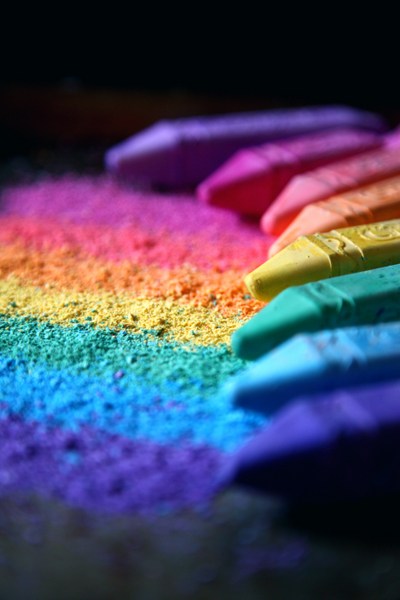
If you are looking for a simple way to make your outfits pop, then you should consider using colour theory. Colour theory is a system that is used to create harmony and contrast in fashion and design. It includes the use of complementary colours (colours that are opposite each other on the colour wheel), analogous colours (colours next to each other on the colour wheel) and monochromatic colors.

There are many different ways in which you can use colour theory in your everyday wardrobe. You can choose contrasting colours for a bold look, analogous colours for a more subtle look or monochromatic colours if you want to go with a neutral outfit.

Colour is everywhere, in your clothes, in your jewelry. Colour is life. Fashion and color coordination can make or break your carefuly planned outfit.

Here’s a bit of color theory with a fashionista bent.

Primary colors

These are red, blue and yellow. In theory, you can make any colour from these three primaries (except white, which is really an absence of color). In practice, it depends on what red, blue or yellow you start with, but we are not mixing paints here, so just remember that the primary colours are red, blue and yellow. You’ll learn why in the next step.

The secondary colours are the colours you get from mixing equal amounts of any two primaries. (If the primaries are pure, mixing all three will give you black.)

The secondaries are purple, orange and green.

Now why do you care?

Well, primaries and secondaries together give us complementary colours. The complement of the colour is the colour directly across from it on the color wheel, or if starting with a primary, the color made from mixing the other two primaries. So essentially a colour and its complement contain all of the primaries between them.

Red’s compliment is green (Merry Christmas!). Yellow’s complement is purple. Blue’s complement is orange.
This is as much contrast as you can get between colours of the same value (brightness or darkness). So if you want to make a bold statement, the primaries are a treat.

Enter the secondaries

The secondary colours are made by mixing equal parts of any two complementaries. So the secondary colours are green (yellow and blue), orange (yellow and red) and purple (blue and red).

Let’s say you have a yellow dress and you want this outfit to be a traffic stopper. If it’s for daytime, you can use bold purple jewelry and accessories. This classic combination of purple and yellow is eye catching. It can be sophisticated and definite or more playful, depending on the yellow and purple you start out with.

However, you don’t always want to be quite that much the centre of attention. What do you do to make more subtle fashion statements, but still use colours well?

The yellow and purple we used above are complementary colours. This means they are directly across from each other on the colour wheel.

The colours to each side of our main colour’s complement are the triad colours. (Triad because the colour you start with plus the two others make three colours total.) The triads are our friends for choosing jewelry or other accessories.

Let’s look at our yellow dress again. This time we’re wearing it to a business meeting. What would be appropriate jewelry? Gold on yellow is too close — it will tend to wash out. The whole outfit will look drab (more drab than if you didn’t use the gold jewelry).

Silver will work, particularly if the silver is a bit pale and the yellow of the dress if very vivid. But you don’t have to stick with gold or silver. There are many coloured gems and jewels out there. Try a sapphire necklace. The blue will nicely set off the yellow and both will sparkle. Or a red brooch. The red can tend towards orange for a brighter effect or towards blue for more contrast.

Now how about the vivid purple blouse you just adore? How to accessorize it? The purple is already such a bold colour.

Well, we’ll do exactly the opposite of what we have done with our yellow dress, since purple is yellow’s complement.

For our purple blouse, if you want to be bold and outrageous, go for bright gold (yellow) or just plain yellow jewelry.
Silver will not work with the purple since the blue of the silver is too close to our purple color (as the gold was on the yellow dress). Of course red is wonderful with purple, just showing that every rule is made to be broken (with discrimination and taste, of course).

We can team our purple blouse with a tan skirt (tan being a form of yellow) and dress it down for a business meeting. We’ll want our jewelry to be a little more subtle. In this case, rather than yellow, let’s use the triad colors to purple — orange or green. These may seem like bold choices, but remember you want your jewelry to be seen, not to blend into the woodwork.

How about an amber pendant? This would be sophisticated and would be set off wonderfully by the purple background without being garish.

Or an emerald brooch and earrings, or a green frog pin. The possibilities are endless within your basic color choices. If you stick with these color constraints, you will not go wrong.

Now let’s consider the classic grey business suit. You may be thinking that your grey suit is neutral, so you can choose any colour at all. This is rarely the case and can be the cause of that ensemble that doesn’t quite work.

Most greys tend towards blue (cool) or red/yellow (warm). So first determine if your suit is cool grey or warm grey. If you’re having trouble with this (and it can be tough at first), try holding it up to other grey items in your house. You’ll start to notice that it looks a bit redder (or yellower) or a bit more blue. This will help you determine the colour bias of your grey suit.

Most warm grey used in clothing is a reddish grey. This is because red complements the complexion. But you will find some yellowish greys, particularly in garments with very sophisticated colour.

Let’s say our suit is a cool grey, so for the purposes of our color choice we’ll consider it blue. The complement of blue is orange.

We want to keep this a business suit, so we’ll pick the triad to each side of the orange to start with. Red and yellow. This tells us that gold will be a perfect choice for our grey suit. Silver is too blue and would wash out the outfit.

You may have noticed that gold tends towards red or yellow. If you are using more than one accessory with the gold, determine whether the primary gold jewelry you will be wearing is reddish gold or yellow gold.

This is done just as we did with the suit itself, by comparing it with other colours.

If the gold is reddish, then keep your other accessories in the red and yellow range. If the gold is yellow, keep the other colours in the yellow orange range.

Note, the description “yellow gold” is for any gold that is not white (silvery). Yellow golds range from a deep red to a very pale yellow, so be sure to check each piece of jewelry when putting together your outfit. A red gold and a yellow gold next to each other will look subtly wrong, unless they are carefully combined in a single piece by a master jeweler. A lack of understanding about the tendencies of gold to be manifested as different colours results in fashion mistakes are that are hard to pin down.

So, let’s say we’ve chosen a beautiful golden horse pin as our primary jewelry piece. We look at it and realize that it tends, ever so slightly, towards red. This makes the rest of our accessorizing easy.

We’ll go for red and even towards the cooler reds (those tending towards purple, rather than towards the yellows and oranges). With our golden horse brooch and a deep slightly purplish red scarf our grey business suit stays business-like but acquires a powerful feminine appeal.

If you want more colour, choose red’s triads, blue or yellow.

So, when choosing the jewelry to complement any outfit follow three simple steps and you won’t go wrong:

1) Determine the base colour of your clothing. This is the dominant color. If you’re wearing the purple blouse with a tan skirt the purple is the dominant color.

If the outfit has a pattern, squint at it and try to see what colour feels most dominant (this is an old artist’s trick). If no particular colour stands out, determine if the overall pattern is cool or warm as we did with our grey suit. Again squinting helps.

2) Find the complement of this colour on your colour wheel. If you really want to stand out, use the complement and stop at this step — you’re done!

3) Look at the triad colours next to the complement. These are most often the colours you will use for your accessories. If you want a brighter look you can use both triads. For a more subtle look, choose one or the other and then use variations on this color (the variations on any one colour are almost endless).

That’s it — three easy steps that will assure that your outfits are always tres chic and save you hours trying to figure out what’s just not quite right or choosing by hit and miss.

Of course, fashion colours change from year to year, but you now understand colour combinations and how to put them together in wow combinations, whatever colours your starting with.


Filed Under: Fashion

  • « Previous Page
  • 1
  • …
  • 3
  • 4
  • 5
  • 6
  • Next Page »

About Me

I'm the It GirlHi I’m Amber.  I love all things fashion and beauty.  Check out I’m The It Girl for all the latest trends of how to look and what to wear.  I’ll also hightlight the best places to go to see and be seen.  For more about the It Girl click here.

Recent Posts

  • Everyday Hair Habits That Could Be Damaging Your Hair Without You Noticing
  • LEVI’S 501 HAS BEEN VOTED THE MOST ICONIC FASHION ITEM OF ALL TIME
  • The Importance of Using Eye Protection When Using Home Laser Equipment
  • The Capsule Wardrobe Revolution: Simplifying Style, Simplifying Life
  • Why Don’t You Look Good in the Clothes you Love?

Copyright © 2026 · Lifestyle Pro Theme on Genesis Framework · WordPress · Log in